

All the Future Booktown Cannot See
Be prepared for new ways, my bears

The best story I heard at this year’s Featherston Booktown was told by Trevor Mallard, former Labour MP and Speaker of the House in Jacinda Ardern’s government. This was during a panel convened to retell campfire stories of the mad Jacinda years and wonder why they suddenly seem so far gone.
Mallard, a grandfather himself, said he’d often babysat Jacinda’s young daughter Neve when the Prime Minister had to work. The packed house—many Jacinda fans, and many grandparents—murmured in delight.
Then Mallard told us a funny thing. He said he’d known Jacinda was going to resign way back in October of 2022, a full three months before her shocking announcement.
How did he know? Neve told him.
She was only four at the time. She didn’t say Mommy was quitting. She just told her friend Trevor that she wouldn’t be going to school in Wellington next year. Mallard caught the drift, filed it away, and kept his mouth shut.
This, of course, is a fairytale. Here is the small child of legend, the princess who does not yet realize her own power. One boring afternoon in the castle, the queen leaves her in the care of a wise and doting elder. The girl carelessly lets slip a powerful secret. Using magic only she possesses, she reveals to the elder a future he himself cannot see.
We’ve read and watched quite a few such mythic, all-seeing children in this house of late. Elsa, Moana, Harry. Luke and Leia. Half the Studio Ghibli films. Lately we’ve been reading Philip Pullman’s His Dark Materials trilogy every night before bed. Our hero Lyra, long abandoned by her aristocrat parents and raised by the Trevor Mallards of her fantastical Oxford, is just going on twelve but she’s the only one who can read the all-knowing alethiometer. Pullman’s marvelous books follow her like a lamp.
Neve is gone now. She lives with her parents in Sydney, like so many Kiwis these days.1 Seems the Boston years have given her an American accent, too.
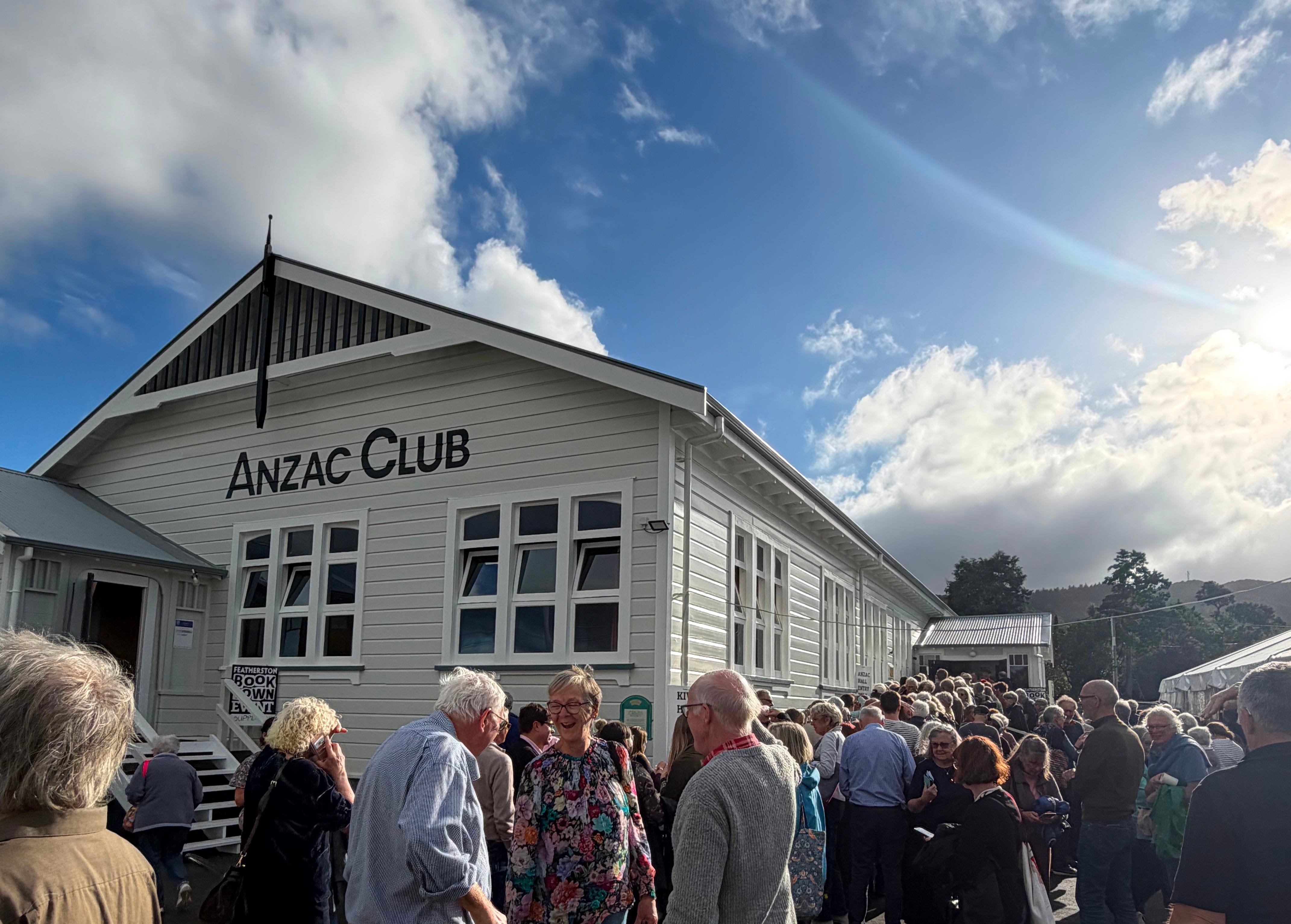
The Anzac Hall in Featherston was wall to wall grey, my own head included. The youngest people in the room were on stage: TVNZ reporter Te Aniwa Hurihanganui and Post columnist Henry Cooke, both star journalists in their early 30s. They might have been students performing for parents at a school play. The sets were all in place. A sausage sizzle outside, a coffee cart, a tent full of books. What was missing at Booktown, beyond those bright-eyed performers, was any sense of a future.
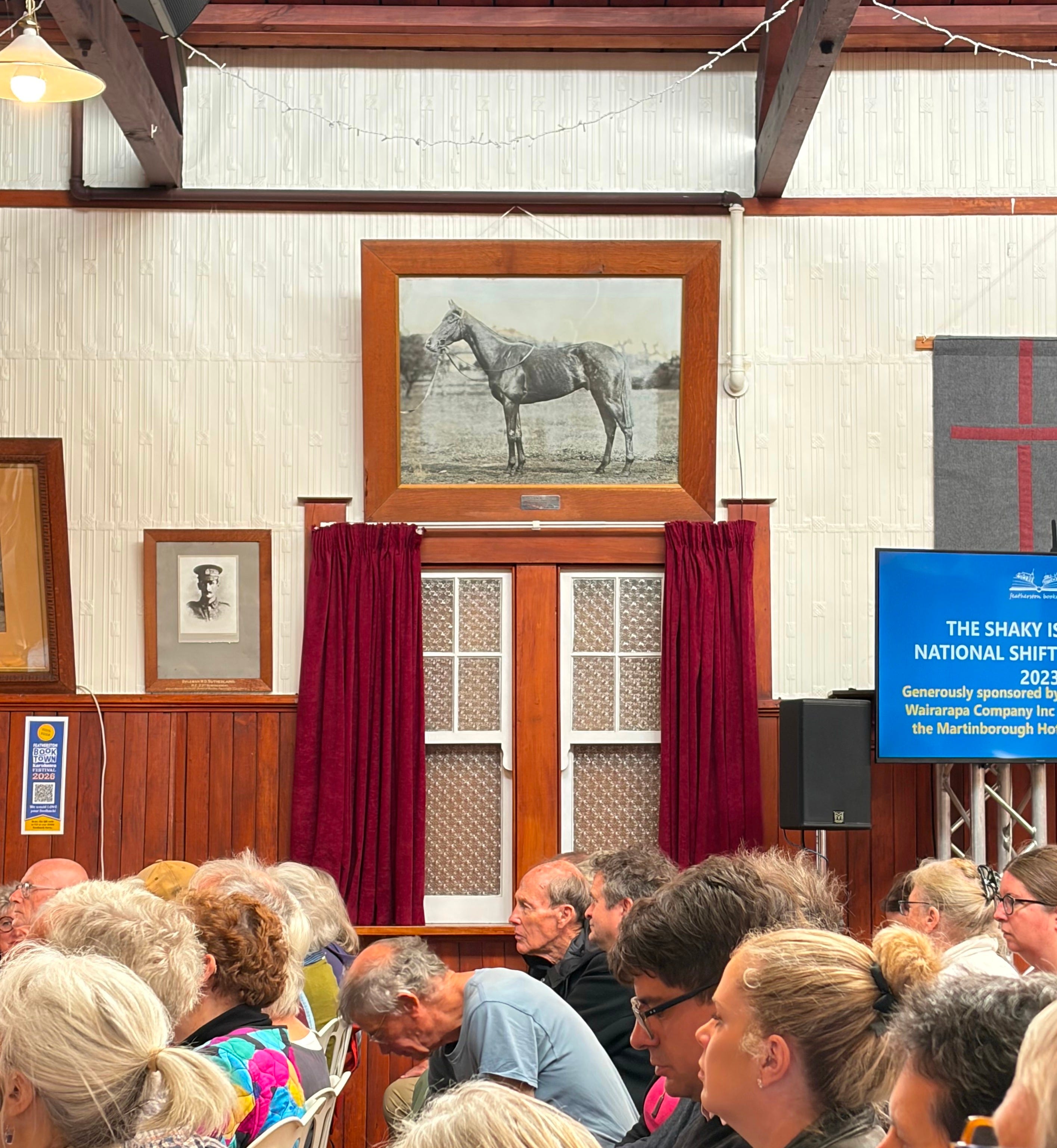
There was the past, rich and deep. The Anzac Hall was hung with sepia-toned photos of Māori and Pākehā heroes gone by, plus a few handsome long-dead horses. The assembled pensioners cheered every turn in the Jacinda legend. The first part, anyhow. Even retired MP Chris Finlayson, the panel’s National representative, seemed bummed at its ending. “Events blow you off course,” he said.
There was the present, too, forked and vexing. “What’s left of Ardenism?” Cooke asked, with more force than strictly necessary. “Nothing. It’s all gone.” He was talking policy. Let me talk vibes: we, the booklovers of Booktown, are precisely what’s left of Ardenism. There was a time. That time is gone. Where do we go now?
A restless wind flapped the hall’s heavy curtains. Mallard said our challenge was to stop the rise of populism in New Zealand. He was not issuing the challenge himself. His voice was quiet and reflective. Across the stage Finlayson shared his weariness, and his fear: “I hope to god it doesn’t happen.”
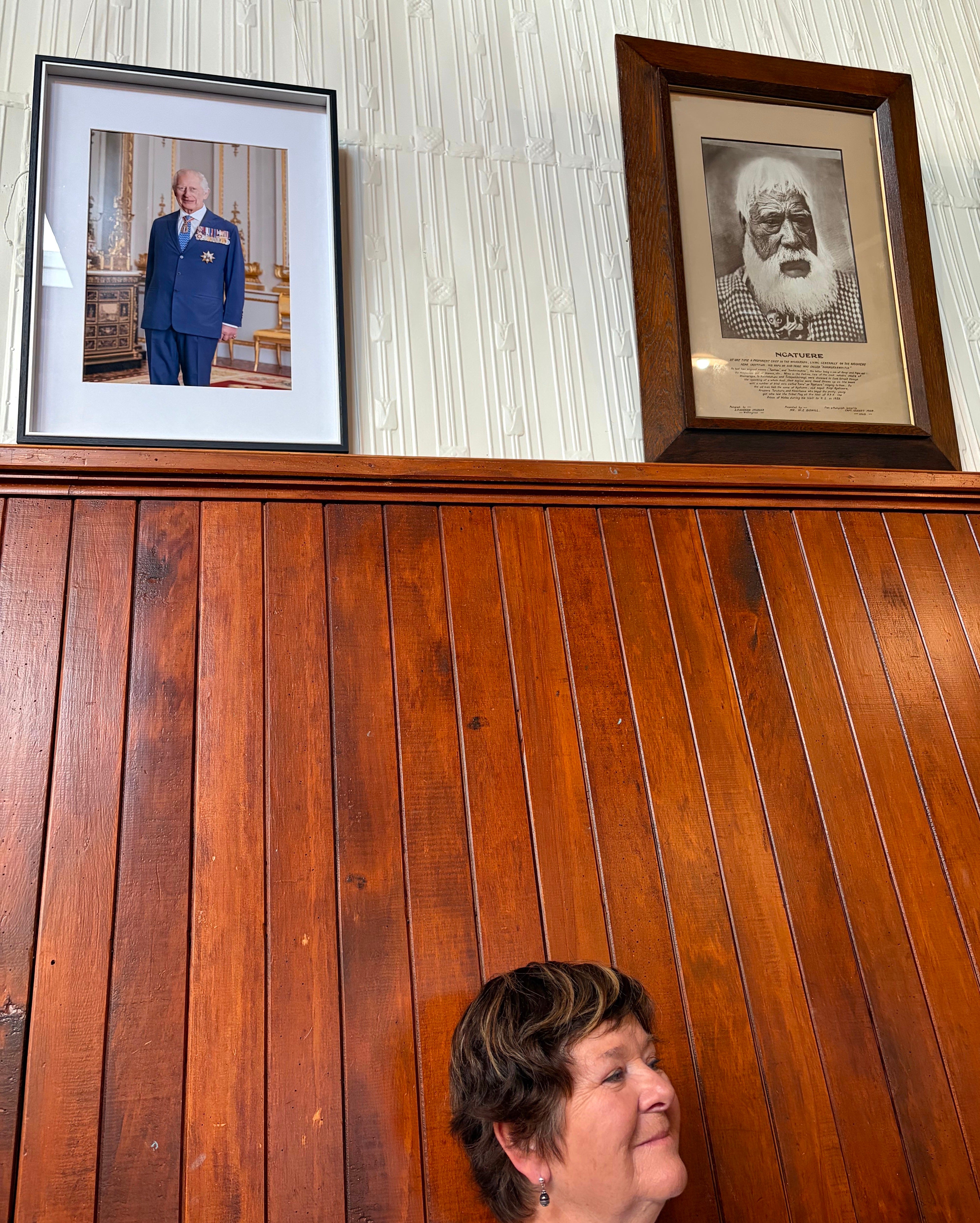
The session ended and we all left the hall so the blue-aproned volunteers could check our tickets upon reentry. This caused a funny dance on the ramp outside as several score senior citizens queuing to leave the building u-turned en masse and became several score senior citizens queuing to reenter. Nobody complained. I saw a few Greytown faces I know drift happily by in the churn. We come and we go, eh. When I shuffled back into the hall, coffees in hand, I saw up on the picture rail a new full-color photo of King Charles. He looked old. His face is crazy pink.
The afternoon panel on the media was a bit of a dud. Time slowed to a crawl. The discussion promised a survey of an industry clearly on fire, but the moderator served up softballs she could’ve asked any reporter in the last fifty years.
What was the favourite story you’ve ever covered? The best answer came from Hurihanganui, who recounted her report on Masterton police randomly photographing Māori teenagers on the street. The cops were building a database of kids they’d reckoned as future criminals. Te Aniwa busted ‘em, and they stopped.
Can’t stop ‘em all, though. Mike McRoberts, former star TV anchor, said he’d recently seen an AI deepfake of his own face hawking miracle cures on Facebook. He believed it, too. The AI was that good. The scam was for eye medicine. Robot Mike McRoberts said he’d had to quit Newshub not because the channel had shut down, but because Mike could no longer see.
The future, it turns out, is a stolen face. If we think we recognize what’s coming, we’ve either been lied to or we’re blind.
The media panel got restless. “We are falling apart,” said Duncen Grieve, founder of The Spinoff. He was fulminating against Meta, which gleefully profits from scammers like Robot Mike McRoberts who steal millions out of New Zealand each year. We hate them but we keep posting and scrolling precisely because it’s a place to share information and lies without the check of the journalists on stage. Without all the fuss of books, he might’ve added. See you in 2030 at Featherston Phonetown.
The panelists noted that it was social media that recently hounded TVNZ reporter Maiki Sherman out of her job. A Substack run by a former National staffer dug up an old account of old misbehavior.2 After two weeks of an online pile-on, one of the country’s few remaining Māori TV journalists packed it in.
“We’re being picked off,” McRoberts said.
Hurihanganui said she’d always received harassment from viewers—she’d learned to ignore it, just the price of the job—but the harrassment now was surging.
“I don’t know what to do,” she said.
Nobody did.
In the world of His Dark Materials, Lyra would ask the alethiometer. But oracles only tell, and cannot do. Lyra has the secret wisdom that’s fated to remake the world, but first she’s got a long dangerous journey ahead.
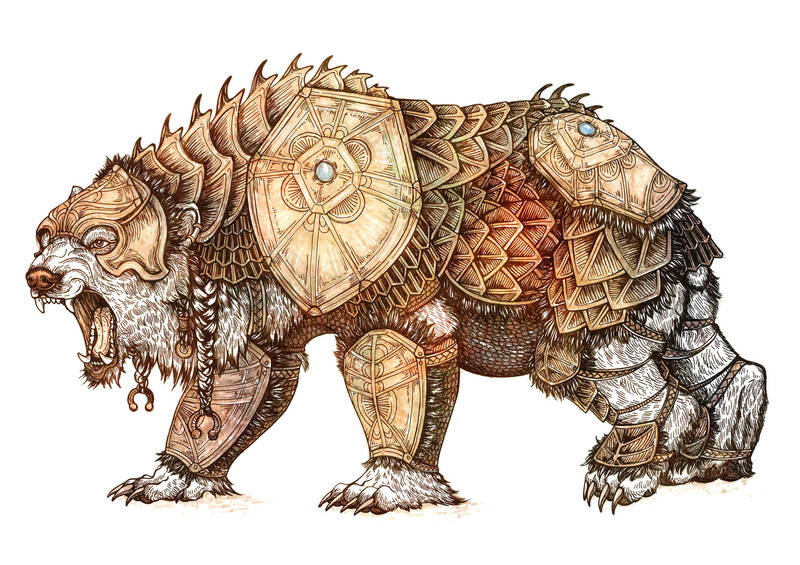
One of her protectors is Iorek Byrnison, king of the polar bears. He wears a suit of armor he forged himself. He doesn’t say much. He’d be terrible on a panel. As we read this week Iorek is leading his charges south. A hole has been torn in the sky, the ice is all melting, and Iorek must find the bears a new home. No luck so far, only barren mountains as far as the eye can see. Iorek gathers them for a short speech. He calls for strength. He offers no comfort.
Be prepared for strangeness and for new ways, my bears. //
I can name six NZ kids who’ve moved across the ditch. Our babysitter, too.
Grieve’s zinger, from earlier in the panel: “Substack resembles journalism.”
When I think about Jacinda I am sad. Sad because she is effectively living in exile, virtually banished from the nation she led through a dark difficult period. Shite if she were PM now. Also: Te Aniwa Hurihanganui is good, IMO. One News will be looking to replace Maiki. Who better for the role than Te aniwa?
Founder of Spinoff mocking something for resembling journalism. Okay, got it. 👌